INSIGHTS (on leadership/self-leadership)
There are soooo many things you can focus on as a leader, it can be overwhelming. If having a high-performing organization is high on your list, I’d suggest focusing on three magic words. I can tell you from decades of personal experience that it makes an incredible difference when you concentrate on this:
Unlock discretionary effort.
Research backs up my own experience. Organizations that have employees operating in a “want-to-do” mindset versus a “have-to-do” mindset enjoy a whopping 40 percent decrease in turnover, a 25 percent increase in productivity, and a 20 percent rise in profit margins, just to name a few of the positive metrics.
So, ask yourself this:
What does it take for me to unlock discretionary effort in my people? How do I create a “want-to-do” vs. “have-to-do” environment?
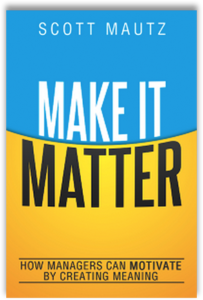
Here are some proven ways to unlock discretionary effort, and some resources to help.
1. Make people feel valued, especially star employees.
2. Celebrate touchdowns and first downs (show appreciation for achievements big and small,
find out what motivates each employee, and how they like to be recognized).
3. Be liberal with autonomy.
4. Encourage employees to leverage their strengths.
6. Spark learning and growth.
IMPERFECTIONS (a mistake many make)
I believe the need for empathy in the world has never been greater. I’ve written on leading with empathy, showing empathy remotely, and even the two types of empathy. But here, I want to share the key to communicating with empathy. Research shows we have difficulty actually communicating with empathy, even when we intend to. We make a lot of mistakes on this front.
So, what’s the key to empathetic communication?
Shape your communication with your audience in mind. In other words:
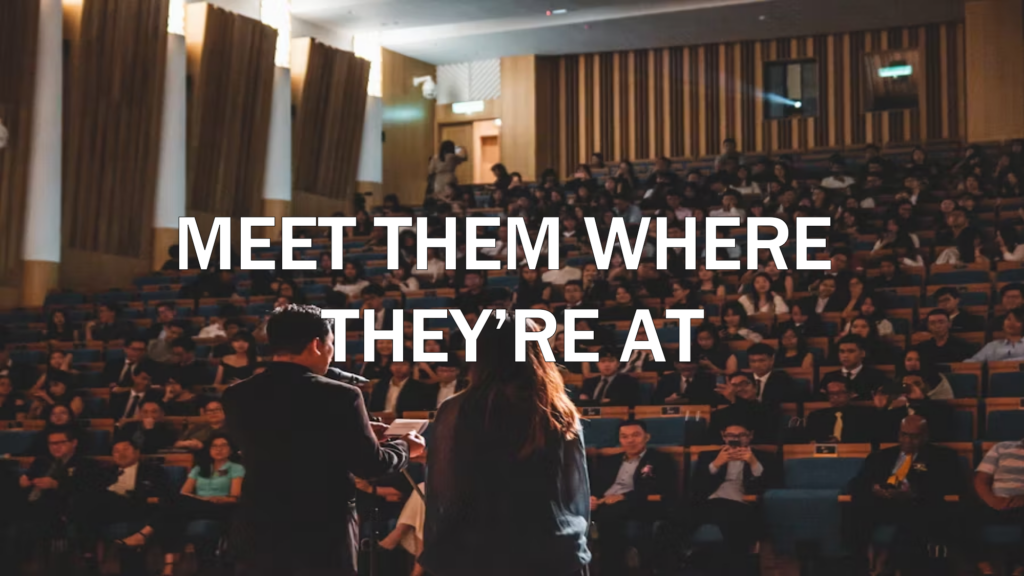
Meet them where they’re at.
This requires setting aside your biases and frustrations as a starting point. I’m not saying it’s easy, but think about the opposite for a moment, when someone is not considering their audience – what they’ve been through, their state of mind, how they might be feeling. When someone starts with only their agenda in mind. That communication has little chance of connecting, or influencing anything.
In fact, consider the definition of empathy for a moment, which is the capacity to understand what others are thinking and feeling, and relate. If you’re not trying to meet people where they’re at, you won’t show you understand what your audience is thinking or feeling. So, you can forget relating.
It’s hard, I know. But it’s a necessary starting point if you’re going to get to the endpoint you want. So, ask yourself before you communicate with someone (or a bunch of someones), “Am I about to…”
IMPLEMENTATION (one research-backed strategy, tip, or tool)
Research from LinkedIn shows that adaptability is one of the top three skills in demand for 2025.
So, how can you become more adaptable?
Try the 50/50 Rule, which says that when you’re faced with conditions that require adaptability, focus 50 percent of your mental energy and actions on pragmatism, and the other 50 percent on possibility.
The pragmatism forces realism and a focus on problem-solving (and thus granular progress), while possibility keeps you in the right frame of mind, viewing the emerging situation as an opportunity. 50 + 50 = 100, which means 0 percent of your mental space can be given to negativity or a lack of self-confidence that would cause you to struggle to adapt. It’s about viewing your circumstances as happening for you, not to you. The only victim should be your victim mentality.
I have plenty to work on as a leader, but I can say a strength is being able to turn on a dime and pivot when required. I credit the use of the 50/50 Rule for this, along with my willingness to quickly break from the past when needed. I don’t get hung up on how things were or the pain of shifting – I just shift to pragmatism and possibility.

Leave a Reply